

One of the most important components of any online contact in the modern digital world is trust. Website visitors are becoming more picky about where they spend their time and money since they have so many options at their disposal. Building website trust is the cornerstone of online success, not only an extra consideration. A website will find it difficult to generate leads, keep visitors, or cultivate enduring relationships with customers without it.
This article explores the importance of trust in the digital age and outlines practical strategies to help you build it effectively with your website visitors.
Why Trust is Crucial for Your Website
First Impressions Matter
Users form an opinion about your website in just 50 milliseconds, faster than the blink of an eye. If your website doesn’t appear professional and trustworthy immediately, users will likely bounce to competitors. A strong first impression is key to retaining visitors and encouraging them to explore further.
Higher Conversion Rates
Trust directly impacts conversion rates. When visitors feel confident about your website, they are more likely to engage by purchasing, subscribing to a newsletter, or completing a form. Without trust, visitors may hesitate to take any action, even if your products or services are exceptional.
Customer Loyalty
Building trust isn’t just about attracting first-time visitors; it’s about creating long-term loyalty. Customers who trust your website are much more likely to return. Repeat customers are more profitable and cheaper to retain than new ones, making trust a valuable asset in building sustainable business relationships.
Lower Bounce Rates
When users don’t trust a website, they leave quickly, leading to high bounce rates. This not only affects immediate conversions but can also harm your search engine rankings, as it signals to search engines that your site isn’t providing value. A trustworthy website encourages visitors to stay longer, reducing bounce rates and improving SEO performance.
Positive Word of Mouth
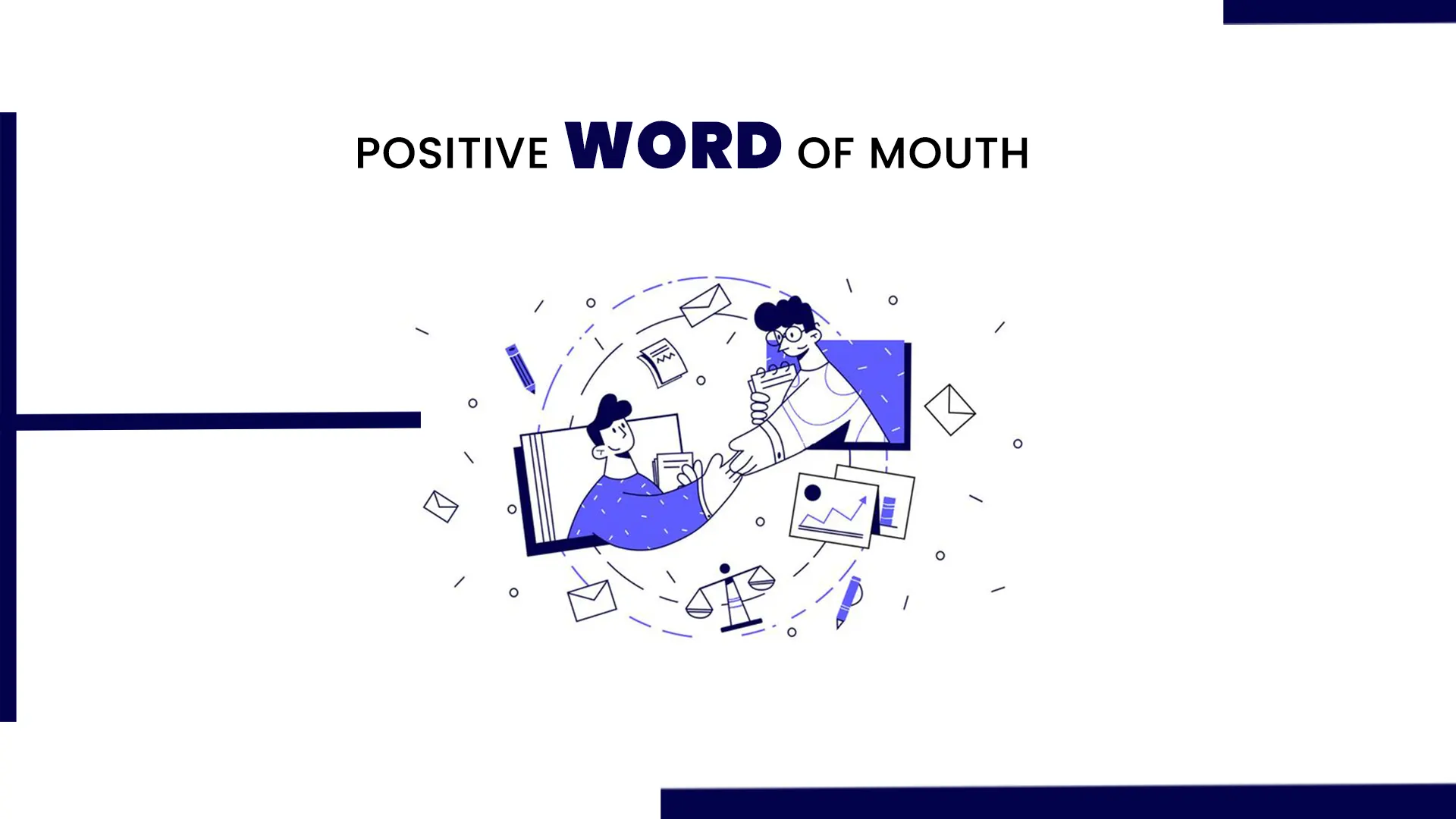
Satisfied customers who trust your website are more likely to leave positive reviews, share their experiences on social media, and recommend your site to others. This word-of-mouth promotion boosts your brand’s credibility and attracts new visitors, further enhancing trust.
How to Build Trust on Your Website
1. Focus on Design
A website’s design is the first thing visitors notice, and it plays a critical role in building website trust. Make sure your site has a consistent look consistent fonts, colors, and layouts that align with your brand identity. Avoid clutter and optimize for mobile devices, as more than half of web traffic comes from mobile users today.
2. Enhance Security
Website security is essential in an age of increasing cyber threats. Implement SSL encryption (HTTPS) to protect visitors’ data, and display security badges from trusted sources like Norton or McAfee. Offering two-factor authentication (2FA) for user logins can provide an extra layer of security, making your visitors feel safer.
3. Be Transparent With Policies
Transparency is key to building trust, especially regarding data handling and business policies. Ensure that your privacy policy is clear and easy to find, so visitors know how their data will be used. Similarly, make sure your return and refund policies are simple, reassuring customers that their purchases are risk-free.
4. Leverage Social Proof
Consumers rely on the opinions of others when deciding whether to trust a website. Incorporating social proof, such as customer reviews, testimonials, and case studies, can significantly enhance your site’s credibility. Genuine reviews, complete with names and photos, boost trust. Additionally, showcasing case studies that highlight successful customer experiences can further reinforce your authority.
5. Highlight Expertise
Visitors are more likely to trust your website if they perceive you as an expert in your field. Display any certifications, awards, or affiliations with reputable organizations prominently on your site. Regularly updated content, such as blog posts or guides, can further demonstrate your expertise and show visitors that your site is active and well-maintained.
6. Provide Accessible Customer Support
Reliable customer support is a key driver of trust. Offering live chat options allows visitors to get instant help and fosters transparency. Ensure your contact information is easy to find, whether it’s an email address, phone number, or contact form. If possible, providing 24/7 customer support or at least clear service hours can help enhance reliability.
7. Optimize User Experience
A smooth user experience (UX) is essential for building trust. Make sure your site is easy to navigate, with intuitive menus and a clear layout. Fast loading times are crucial, as slow websites frustrate users and can undermine your credibility. Avoid intrusive ads or pop-ups, as these can detract from the overall user experience and make your site seem less reliable.
8. Maintain Consistency Across Platforms
Ensure consistency in your brand’s tone, design, and messaging across all platforms, including your website, social media, and email campaigns. Visitors should have a cohesive experience, regardless of how they engage with your brand. This level of consistency reinforces building website trust and credibility over time.
Conclusion
Establishing trust with your website visitors is a continuous process. Every element, from design and security to user experience and customer support, plays a role in establishing credibility. By investing in strategies that nurture trust, you’ll not only increase visitor engagement and conversions but also foster long-term relationships that benefit your business in the long run.
