

In digital communication, the significance of secure information transmission cannot be overstated. Two primary protocols are often involved in this process: HTTP (HyperText Transfer Protocol) and HTTPS (Hyper Text Transfer Protocol Secure). This blog post will delve into the differences between HTTP and HTTPS, the SEO benefits of using HTTPS, its impact on Google ranking, and key points to consider when switching to HTTPS.
Understanding HTTP and HTTPS
HTTP is a protocol used for transferring data over the internet. Unfortunately, it is not secure, meaning that the information transmitted can be intercepted and read by third parties. This lack of security poses a problem, especially when delicate info such as passwords or credit card numbers is involved.
On the other hand, HTTPS is a secure version of HTTP. It uses encryption protocols like SSL (Secure Sockets Layer) or TLS (Transport Layer Security) to protect transferred data. This encryption ensures that even if the data is intercepted, it cannot be read without the unique decryption key.
HTTPS and Google Ranking
Google has always prioritized web safety. However, in 2014, it announced HTTPS as a ranking signal, meaning that websites using HTTPS would get a slight ranking advantage in the search engine results pages (SERPs). Initially, this was a ‘light’ ranking signal, affecting fewer than 1% of global queries and carrying less weight than other signs, such as high-quality content.

However, over time, Google has indicated that the weight of this ranking signal may increase. For example, as of 2021, Google Chrome started to warn users when they were about to enter a site that wasn’t HTTPS-secured. These initiatives indicate Google’s intent to push more websites towards HTTPS, which could influence search rankings more heavily.
The SEO Advantage of Using HTTPS
- Improved Rankings
As mentioned above, Google has confirmed that HTTPS is a ranking signal. While it is a minor factor compared to others, such as content relevance, HTTPS can still provide a competitive edge. This is particularly true in highly contested niches.
- Increased Trust and Credibility
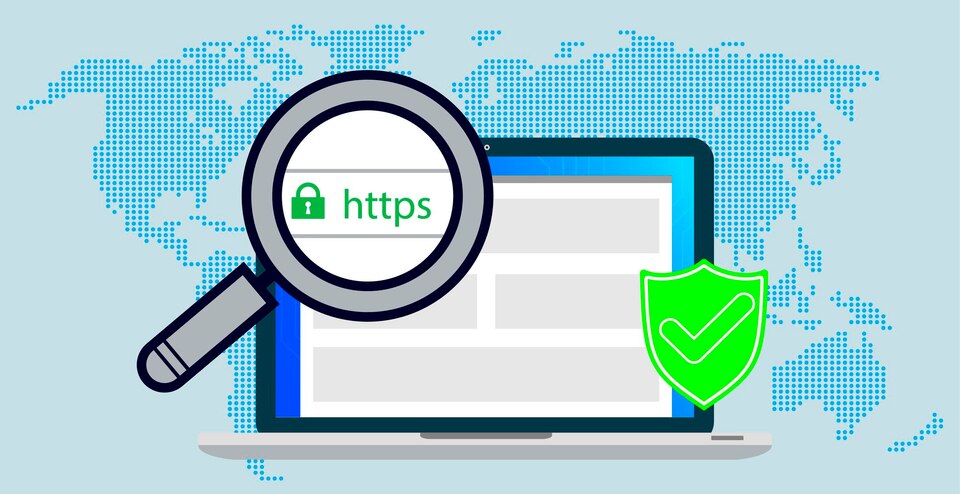
Users are more likely to trust and engage with websites that are secured. For example, many browsers display a padlock icon in the address bar for HTTPS websites, signalling a secure connection. This visible sign of security can boost user confidence, potentially increasing time spent on the site, reducing bounce rates, and improving other behavioural signals that can indirectly boost SEO.
- Enhanced Data Security
HTTPS encrypts data transferred between the user’s browser and the website, providing a safer experience for your users. This is particularly important if you handle sensitive customer information.
- Referral Data
When traffic passes from an HTTPS site to an HTTP site, the referral data gets lost and is reported as “direct” in Google Analytics. Switching to HTTPS preserves this referral data, providing more accurate analytics.
Points to Note When Switching to HTTPS
While switching to HTTPS has its benefits, it has its complexities. Here are some points to consider:
- Acquire an SSL certificate: This certificate verifies your website’s identity and enables an encrypted connection. It must be issued by a trusted Certificate Authority (CA).
- Update your website: Every element, including images, videos, scripts, and CSS files, must be updated to use HTTPS.
- 301 Redirects: Set up 301 redirects from your HTTP pages to your HTTPS pages. This assures that users and search engines are guided to the correct version of your site.
- Update your sitemap: Your sitemap should include the new HTTPS URLs and be submitted to Google Search Console.
- Monitor your site: After the switch, closely monitor your site.
For top-notch website development services, contact Softloom. Our skilled team will bring your vision to life, creating visually stunning and optimized websites. Elevate your online presence by choosing Softloom today.
