

Small businesses face the challenge of competing against established brands while also seizing the opportunity to leverage cost-effective digital marketing to reach a broader audience. Digital marketing has become essential for building brand awareness, particularly for small businesses seeking to expand with limited resources. Here’s how digital marketing can help:
1. Expands Reach Cost-Effectively
Traditional advertising can be costly and may be out of reach for many small businesses. Digital marketing, however, provides a range of budget-friendly tools such as social media, email marketing, and SEO, allowing small businesses to reach thousands of potential customers without high costs. Platforms like Google Ads or Facebook allow businesses to control spending while targeting specific demographics, locations, and interests.
Digital marketing enables small businesses to define their target audience more precisely, ensuring they reach people likely to be interested in their products or services. Comprehensive audience segmentation based on attributes like age, location, interests, and behavior is made possible by platforms like Facebook, Instagram, and Google Ads. This precise targeting builds awareness among those who are more likely to engage with and remember the brand.
3. Engagement Through Social Media
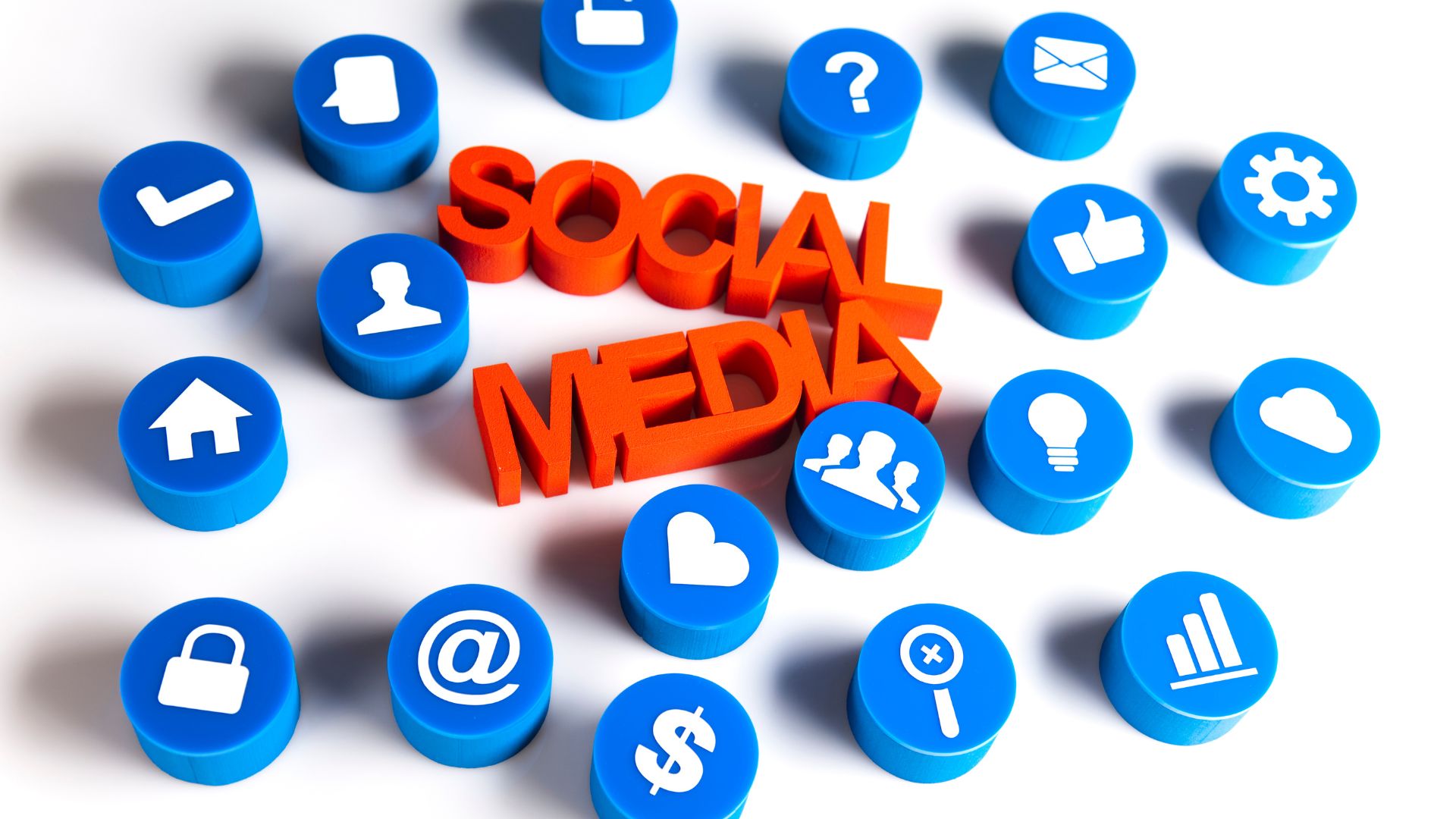
Social media platforms are valuable for brand awareness as they encourage direct interaction with clients. Posting regularly on platforms like Instagram, Facebook, LinkedIn, or Twitter allows businesses to showcase their brand personality, share updates, and build a loyal following. Interactive content such as polls, stories, and live sessions creates a two-way conversation, allowing small businesses to build relationships with potential customers.
4. SEO for Long-Term Visibility
Search engine optimization (SEO) helps small businesses appear in search engine results, making them more accessible to prospective clients. By targeting specific keywords and optimizing their website content, small businesses can rank higher in search results, increasing organic traffic and brand visibility over time. SEO is a long-term strategy, but sustained visibility can generate consistent traffic without ongoing ad spend.
5. Content Marketing Builds Trust and Authority
Content marketing, which includes blogs, videos, infographics, and ebooks, allows small businesses to demonstrate expertise and provide value to their audience. By creating helpful and informative content, businesses position themselves as trustworthy resources, encouraging brand loyalty. This, in turn, boosts brand awareness as valuable content is shared and viewed across platforms.
6. Influencer Collaborations to Expand Reach
Collaborating with influencers is another effective way for small businesses to expand brand awareness. Influencers can promote a brand to their followers, helping the company reach new audiences who trust the influencer’s recommendations. Micro-influencers, who often work with smaller businesses at lower costs, have highly engaged followings and can drive awareness more authentically.
7. Analytics and Feedback for Continuous Improvement
Digital marketing offers powerful analytics tools that provide insights into campaign performance and audience behavior. Small businesses can learn what appeals to their audience and improve their strategy by examining indicators like website traffic, click-through rates, and social media engagement. This data-driven feedback loop is invaluable for making adjustments that enhance brand awareness over time.
Conclusion
Digital marketing is revolutionizing small businesses by offering cost-effective and efficient means of expanding their audience and increasing brand recognition. By leveraging social media, SEO, content marketing, and targeted ads, small businesses can compete with larger brands, establishing themselves as trusted, visible players in their industry.
