
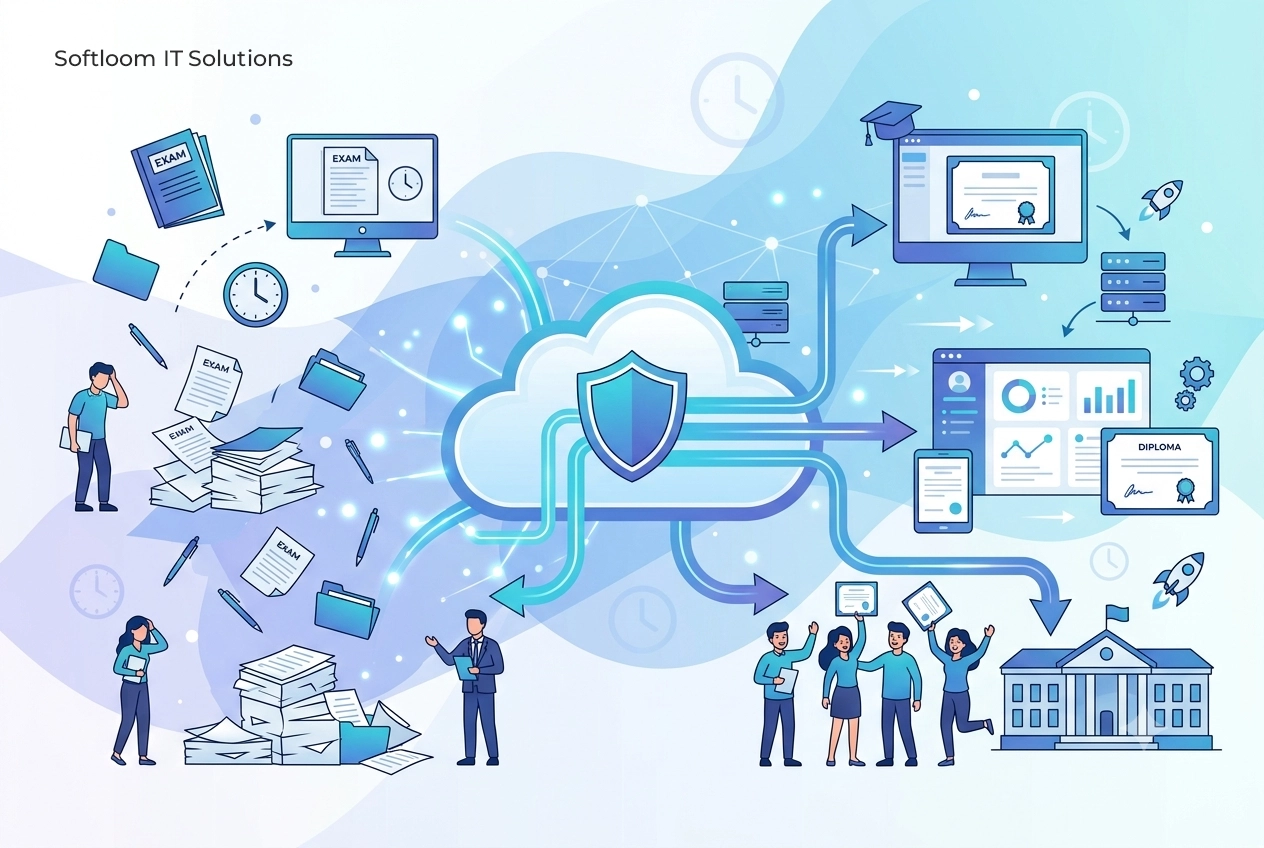
Managing examinations in a college is no small task. From preparing timetables and question papers to handling answer scripts, publishing results, and maintaining records, every step demands accuracy, confidentiality, and speed. For many colleges, this process is still heavily dependent on manual work or outdated software, which often results in delays, errors, and miscommunication.
This is where a College ERP System steps in, transforming the way exam cells operate. With automation, centralized data, and intelligent workflows, ERP integration is no longer a luxury; it’s becoming a necessity for educational institutions aiming to improve efficiency and transparency.
In this blog, we’ll explore why integrating ERP into your exam cell is essential today and how it can benefit colleges in the long run.
1. Centralized and Secure Data Management
One of the biggest challenges for exam cells is storing and retrieving large volumes of data student records, exam schedules, marksheets, hall tickets, attendance sheets, and more. Managing these manually not only consumes time but also increases the risk of errors or data breaches.
An ERP system provides a centralized, secure platform where all this information is stored digitally. Authorized personnel can access it anytime, anywhere, without going through piles of paperwork. With role-based permissions, sensitive data like question papers or results remains protected from unauthorized access.
2. Error-Free Exam Scheduling and Planning
Timetable preparation for exams can be a nightmare, especially when dealing with multiple courses, batches, and subjects. Manual scheduling increases the chances of clashes, miscommunication, or overlooked subjects.
With an ERP system, the scheduling process becomes fully automated. The software considers factors like faculty availability, room capacity, and course requirements to generate conflict-free timetables. This ensures smoother operations and saves the exam cell countless hours of manual planning.
3. Simplified Question Paper Management
Maintaining confidentiality in question paper preparation and distribution is one of the most sensitive responsibilities of the exam cell. ERP systems often include secure question paper management modules that allow faculty to upload papers in encrypted formats, accessible only to authorized staff.
Some ERP platforms even have built-in approval workflows, so papers are reviewed, verified, and stored securely before being printed or distributed digitally to exam centers.
4. Faster and More Accurate Result Processing
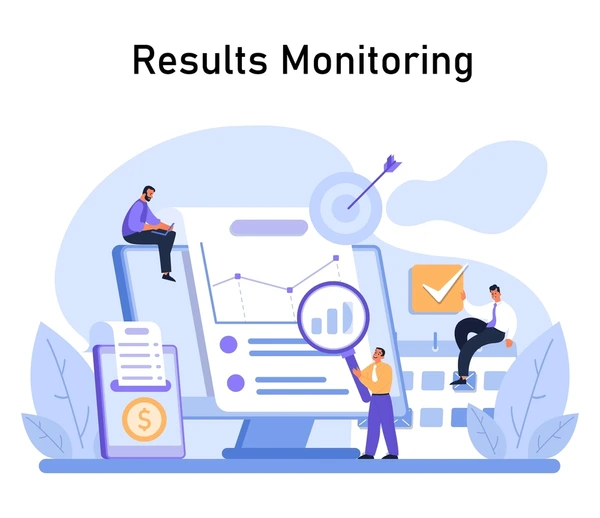
Manually tabulating marks and generating results can lead to errors, especially when thousands of students are involved. Even a small mistake can affect a student’s future and damage the institution’s credibility.
ERP systems automate the result compilation process by pulling marks directly from assessment records, applying grading formulas, and generating result sheets instantly. This not only improves accuracy but also allows institutions to publish results faster, improving student satisfaction.
5. Transparent Communication with Students and Faculty
Exam-related communication, whether it’s about schedules, hall tickets, or results, is often scattered across notice boards, emails, and verbal instructions. This can lead to confusion and missed updates.
ERP platforms come with integrated communication tools like SMS, email, and mobile app notifications. Students and faculty get real-time alerts for important updates, ensuring everyone stays on the same page.
6. Enhanced Compliance and Reporting
Colleges must often submit exam-related data to education boards, accreditation bodies, or internal auditors. Preparing these reports manually takes days, if not weeks.
With ERP integration, the exam cell can generate detailed reports, attendance records, pass percentages, subject performance analysis, etc., with just a few clicks. This not only saves time but also ensures compliance with academic regulations and quality standards.
7. Cost and Time Efficiency
While some institutions hesitate to invest in ERP due to initial costs, the long-term savings are significant. Reduced paper usage, minimized manpower for repetitive tasks, and faster processes lead to substantial cost benefits. Plus, the time saved allows the exam cell to focus on improving academic quality instead of drowning in administrative work.
8. Improved Student Experience
Ultimately, every improvement in the exam cell benefits students. Faster result processing, error-free hall tickets, and timely communication create a smooth, stress-free exam experience. When students feel supported and informed, it reflects positively on the institution’s reputation.
A college ERP system not only simplifies administrative work but also enhances transparency, accuracy, and speed.
By integrating ERP into your exam cell, you’re not just adopting new software; you’re transforming the way your institution handles one of its most critical operations. The result? Happier students, less-stressed staff, and a more efficient, future-ready college.
So, if your exam cell is still struggling with outdated methods, it’s time to make the switch. The future of examination management is digital, and ERP is leading the way.
