
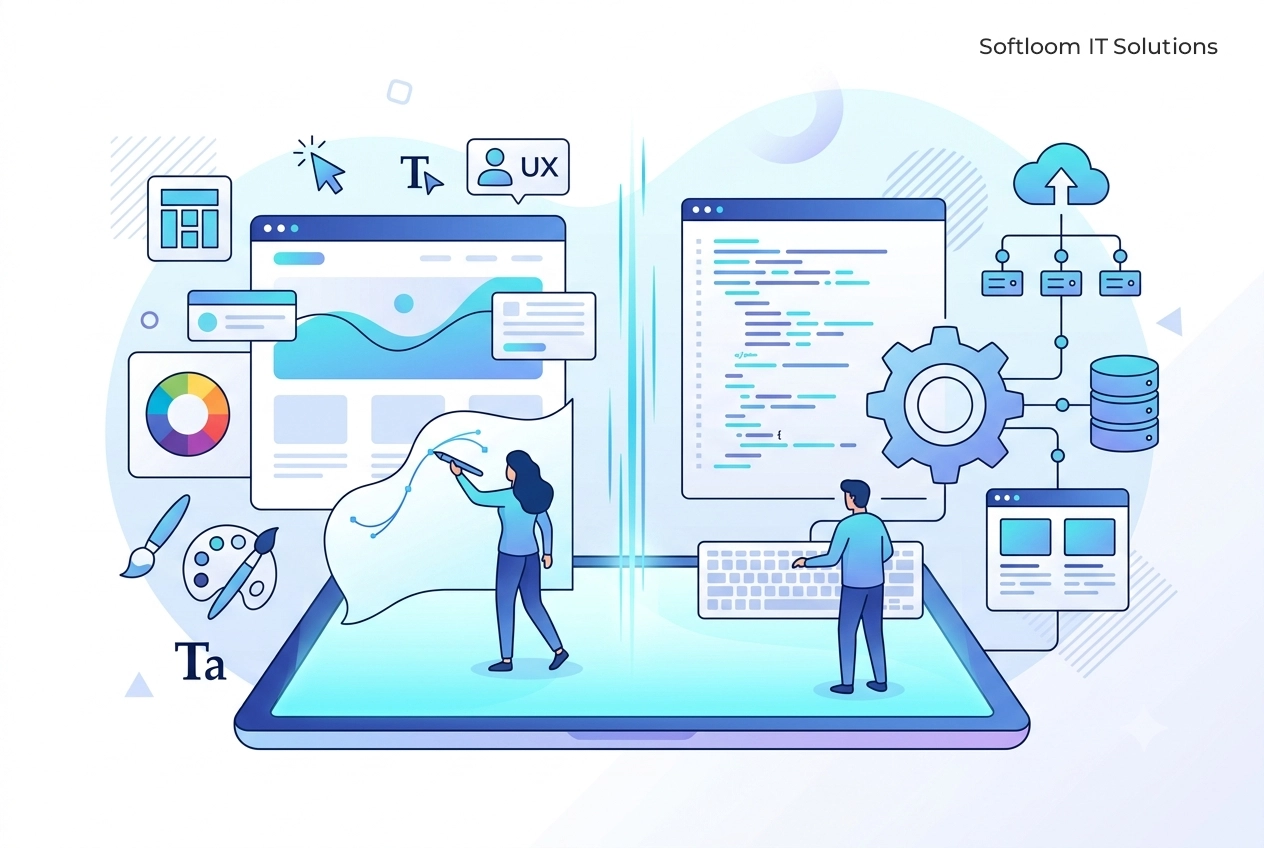
When most people think about creating a website, they often use the terms web design and web development interchangeably. While both are crucial to building a functional and visually appealing site, they represent two very different aspects of the process. Web design focuses on the look and feel of a website, while web development is more about the behind-the-scenes functionality that makes everything work smoothly. Understanding the difference between the two not only helps businesses build better websites but also ensures smoother collaboration between teams.
What Is Web Design?
Web design is the creative side of website building. It’s all about how a site looks, feels, and interacts with users. A web designer’s primary responsibility is to craft a visually appealing interface that aligns with brand identity while ensuring the site is user-friendly.
Key aspects of web design include:
Web designers often use tools such as Adobe XD, Figma, or Sketch to create mockups and prototypes before handing them over to developers. Their goal is to make sure users not only enjoy browsing the site but also take desired actions like signing up, making a purchase, or contacting the business.
What Is Web Development?
Web development, on the other hand, brings the web designer’s vision to life. Developers write the code that powers the website, ensuring that everything functions as intended. Think of them as the engineers who take a blueprint and build the structure from the ground up.
There are two main types of web development:

1. Front-End Development
This deals with the parts of the website users actually interact with. Front-end developers use technologies like HTML, CSS, and JavaScript to implement the design. For example, when you click a button, hover over an image, or scroll through a menu, front-end code makes those actions possible.
2. Back-End Development
This is the backbone of a website. Back-end developers work on the server side, ensuring databases, servers, and applications communicate correctly. They use languages like PHP, Python, Ruby, or frameworks such as Node.js. Without this layer, a website may look good on the surface but won’t function properly.
In addition, some professionals specialize in full-stack development, which combines both front-end and back-end skills.
How Do Web Design and Web Development Work Together?
Although design and development are distinct, they must work hand in hand. A great website requires both:
For example, a designer may create a visually stunning navigation bar, but it’s the developer’s job to code it so that it works seamlessly on different devices and browsers. Similarly, if a developer adds a feature like a shopping cart, a designer ensures it’s placed intuitively on the page for easy access.
Why Knowing the Difference Matters
For businesses, startups, or anyone planning a new website, understanding the distinction helps in several ways:
Common Misconceptions
Web design and web development are two sides of the same coin. Design shapes the aesthetic and user experience, while development ensures the website runs reliably and performs as expected. In today’s digital-first world, businesses need to build a website that not only attracts visitors but also converts them into loyal customers.
By understanding the difference between web design and web development, businesses can make more informed decisions, collaborate effectively with professionals, and ultimately create websites that leave a lasting impression.
