
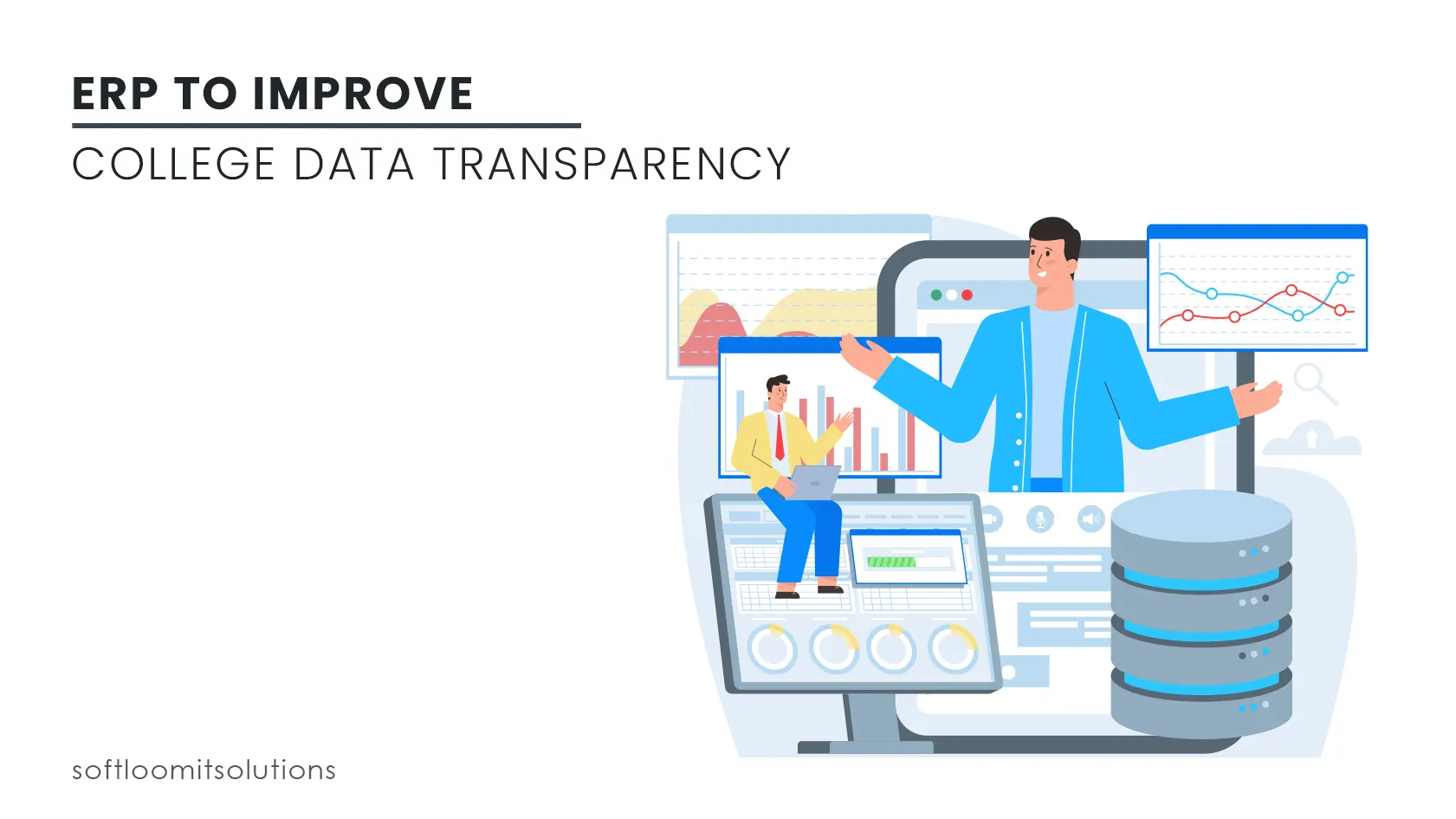
To maintain trust, accountability, and efficiency in their operations, colleges and universities must become more transparent about their data. Enterprise Resource Planning (ERP) systems play a pivotal role in enhancing data transparency by integrating and centralizing various administrative and academic processes. A college environment is better when data transparency is improved and accountability is fostered through ERP systems.
Integration of Administrative Processes:
ERP systems integrate disparate administrative functions such as finance, human resources, student services, and procurement into a single platform. This integration ensures that data from all departments are centralized and accessible, promoting consistency and accuracy in reporting.
Real-time Data Updates:
ERP platforms enable real-time updates and synchronization of data across departments. This capability allows colleges to maintain up-to-date information on student enrollment, financial transactions, faculty records, and more, enhancing data accuracy and reliability.
Customizable Dashboards and Reports:
ERP systems offer customizable dashboards and reporting tools that provide stakeholders with insights into key performance indicators (KPIs), financial trends, enrollment statistics, and academic outcomes. These reports enable informed decision-making and transparency in college management.
Ad Hoc Reporting Capabilities:
ERP platforms empower users to generate ad hoc reports and queries to retrieve specific data sets quickly. This capability allows administrators, faculty, and staff to access detailed information as needed, promoting transparency in decision-making processes.
Streamlined Compliance Reporting:
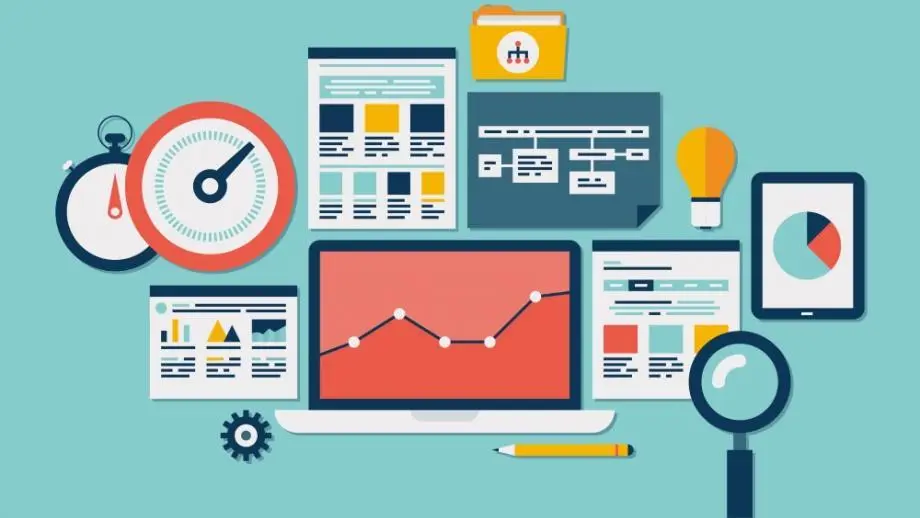
ERP systems facilitate compliance with regulatory requirements and accreditation standards by automating data collection and reporting processes. Colleges can generate comprehensive reports for audits, ensuring transparency in compliance efforts and regulatory adherence.
Audit Trails and Data Tracking:
ERP platforms maintain detailed audit trails and logs of data access and modifications. Colleges can track changes made to records, ensuring accountability and transparency in data management practices.
Student and Parent Portals:
ERP systems often include portals for students and parents to access academic records, financial information, and communication tools. By providing self-service portals, colleges empower stakeholders to access information independently, fostering transparency and accountability.
Faculty and Staff Collaboration:
ERP platforms facilitate collaboration among faculty and staff through shared access to data and collaborative tools. By promoting transparency in communication and decision-making, colleges can enhance operational efficiency and academic outcomes.
Role-based Access Controls:
ERP systems implement role-based access controls (RBAC) to ensure that users only access data relevant to their roles and responsibilities. This approach safeguards sensitive information, promoting data security and protecting privacy rights.
Data Encryption and Secure Storage:
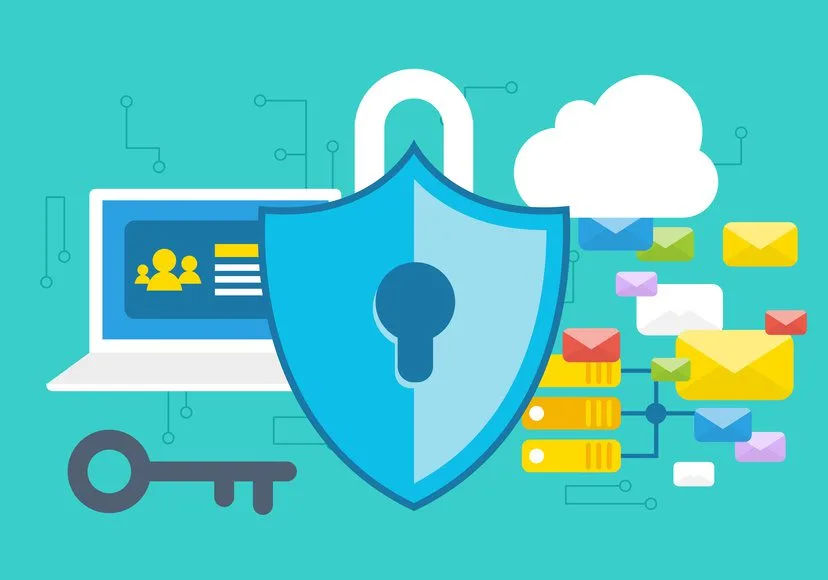
ERP platforms employ encryption protocols and secure storage methods to protect data integrity and confidentiality. Colleges can mitigate risks associated with data breaches and unauthorized access, enhancing trust and transparency among stakeholders.
Transparent Budgeting and Financial Management:
ERP systems facilitate transparent budgeting processes and financial management practices. Colleges can track expenditures, monitor budget allocations, and communicate financial decisions openly, promoting institutional accountability.
Open Communication Channels:
ERP platforms include communication tools such as messaging systems and notification features. Colleges can use these channels to disseminate information, updates, and policies transparently to students, faculty, staff, and external stakeholders.
Conclusion
ERP systems are indispensable tools for colleges seeking to improve data transparency across their administrative and academic operations. By centralizing data management, enhancing reporting capabilities, ensuring compliance, and promoting stakeholder engagement, ERP platforms enable colleges to foster a culture of openness, accountability, and trust.
Implementing ERP systems not only enhances operational efficiency but also reinforces colleges’ commitment to transparency in data governance and decision-making. By leveraging the capabilities of ERP platforms, colleges can effectively navigate challenges related to data management and regulatory compliance, ensuring transparent and responsible practices in support of their educational missions.
