

How to Simplify Exam Management with ERP Software
Today, Exam management with ERP software is essential for every educational institution. Conducting exams in educational institutions has always been a task filled with challenges. Coordinating exam dates, allocating classrooms, tracking attendance, grading answer sheets, and releasing results all require significant effort and coordination between multiple departments. Traditional, paper-based methods often lead to errors, delays, and miscommunication among staff and students.
With the rise of digital solutions, Education ERP (Enterprise Resource Planning) software has emerged as a powerful tool for streamlining this complex process. Designed to automate every stage of exam administration, ERP systems help schools and colleges reduce manual workload, improve accuracy, and ensure timely execution. This article highlights how Education ERP systems are revolutionising exam management in today’s educational landscape.
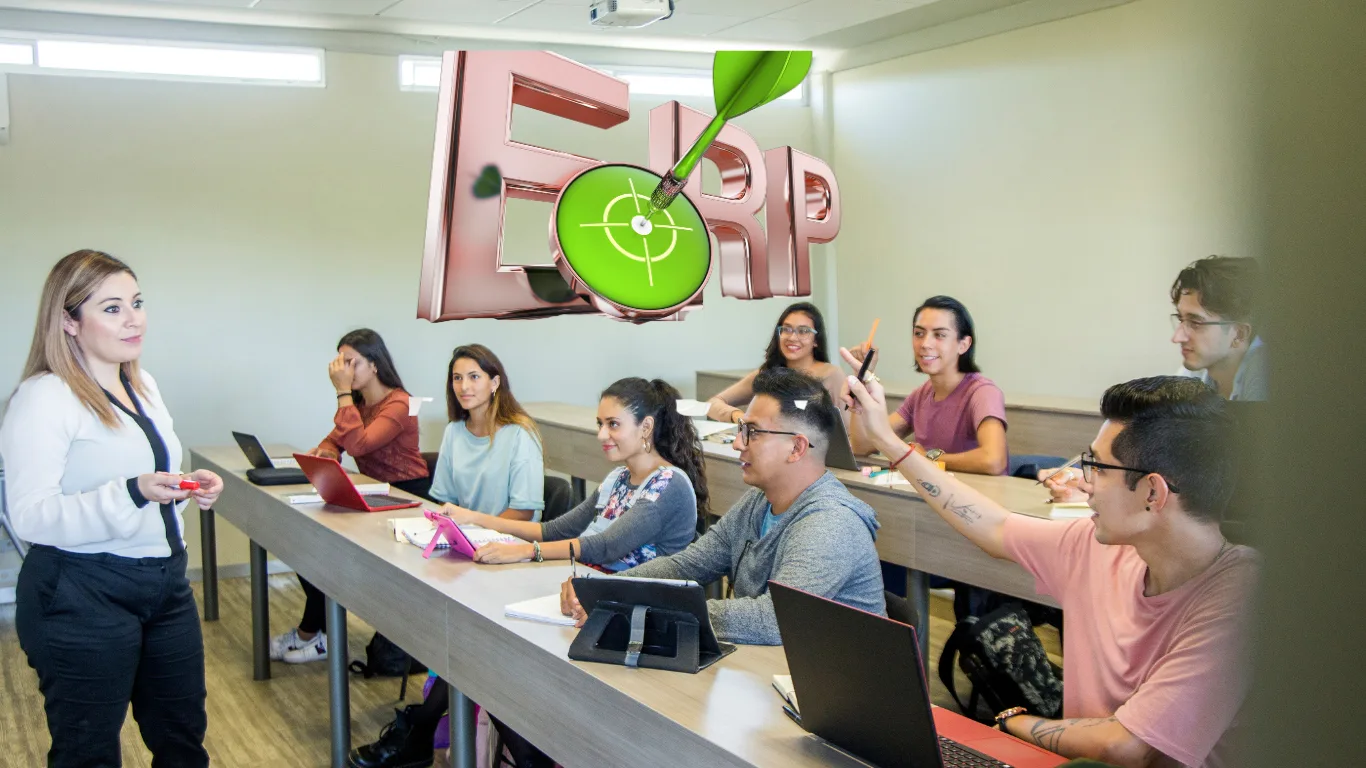
Centralised Exam Planning and Scheduling With ERP Software
One of the most challenging aspects of exam management is scheduling. Coordinating dates, times, rooms, and invigilators across departments can be a logistical nightmare. Education ERP software allows administrators to manage all these elements from a single, centralised dashboard.
With real-time access to faculty schedules, room availability, and student data, institutions can avoid conflicts and ensure smooth exam planning. Automated notifications and calendar integrations ensure that everyone stays informed, reducing last-minute changes and confusion.
Seamless Question Paper Management
Traditionally, the preparation and distribution of question papers involved high levels of manual work and strict confidentiality protocols. ERP systems eliminate many of these challenges by offering a secure digital environment for creating, storing, and assigning question papers.
Authorised faculty can log in to the system to prepare question sets, which are encrypted and stored safely. Access is role-based, meaning only designated users can view or modify the papers. This not only enhances security but also streamlines the entire preparation process.
Automated Exam Attendance and Monitoring
Managing attendance during exams is another task that ERP software handles efficiently. Instead of using paper-based methods, invigilators can take attendance through tablets or mobile apps linked to the ERP system. This data is instantly updated in the central database.
In some advanced systems, biometric or RFID-based attendance tracking is also available, ensuring accuracy and preventing impersonation. These technologies reduce administrative overhead and allow institutions to focus on exam quality and integrity.
Grading Made Easy
Grading hundreds or thousands of answer sheets manually is not only tedious but also vulnerable to errors and inconsistencies. ERP solutions come with built-in grading tools that enable teachers to input marks directly into the system.
Some platforms even support automatic grading for objective-type questions, significantly reducing the evaluation time. Result calculations, average scores, and performance analytics are generated automatically, giving educators more time to focus on student development.
Instant Results and Analytics
One of the key advantages of Education ERP is the ability to publish exam results quickly and accurately. Once grades are entered, the system automatically compiles the results and generates individual report cards and transcripts.
Students and parents can access these results via secure portals or mobile apps, eliminating the need to wait in long queues. Additionally, administrators can generate comprehensive performance reports, helping them make informed decisions regarding curriculum adjustments and academic policies.
Better Communication and Transparency
A major challenge in traditional exam management is the lack of communication between departments, faculty, students, and parents. ERP systems solve this by offering a unified communication platform where everyone can receive real-time updates.
Notifications about exam schedules, changes, hall tickets, and results can be sent via email, SMS, or in-app alerts. This transparency builds trust and ensures that all stakeholders are on the same page throughout the exam process.
Compliance and Record-Keeping
Maintaining examination records is essential for audits, accreditation, and future references. ERP software helps institutions store all exam-related data securely and makes it easily retrievable when needed.
This includes attendance logs, question papers, answer scripts, result sheets, and re-evaluation records. With everything stored digitally, colleges can ensure compliance with education board regulations and reduce the risk of data loss.

Exam handling is crucial for every school or college. Fortunately, with the help of modern ERP tools, institutions in Qatar and beyond can simplify exam-related tasks. These platforms assist with everything from setting exam dates and managing rooms to marking papers and sharing results efficiently.
Moreover, technology is rapidly transforming how educational institutions operate. Therefore, using ERP systems is no longer just helpful; it’s essential. By automating processes, these tools reduce errors, save time, and bring clarity for both students and staff. As a result, schools that implement ERP systems offer better service and ensure a smoother exam experience for everyone involved. Select the Best educational ERP software for better examination management for your institution.
