

Having a responsive website has become crucial in today’s digital environment. Responsive web design ensures that your website adapts seamlessly to various devices and screen sizes, providing a consistent and optimized user experience. But how exactly does this impact your conversion rates? Let’s dive in.
1. Enhanced User Experience
A responsive website eliminates the need for users to zoom, scroll sideways, or struggle with poorly adjusted layouts. This smooth experience keeps users engaged and more likely to take desired actions, such as purchasing, signing up for a newsletter, or filling out a contact form. Users who navigate your site effortlessly are less likely to abandon it.
2. Improved Mobile Performance
With over half of web traffic from mobile devices, a responsive design is crucial for catering to this audience. If your site doesn’t perform well on smartphones or tablets, users will quickly leave, resulting in higher bounce rates and lower conversions. A mobile-friendly website ensures that your calls-to-action (CTAs), forms, and navigation are easily accessible on smaller screens.
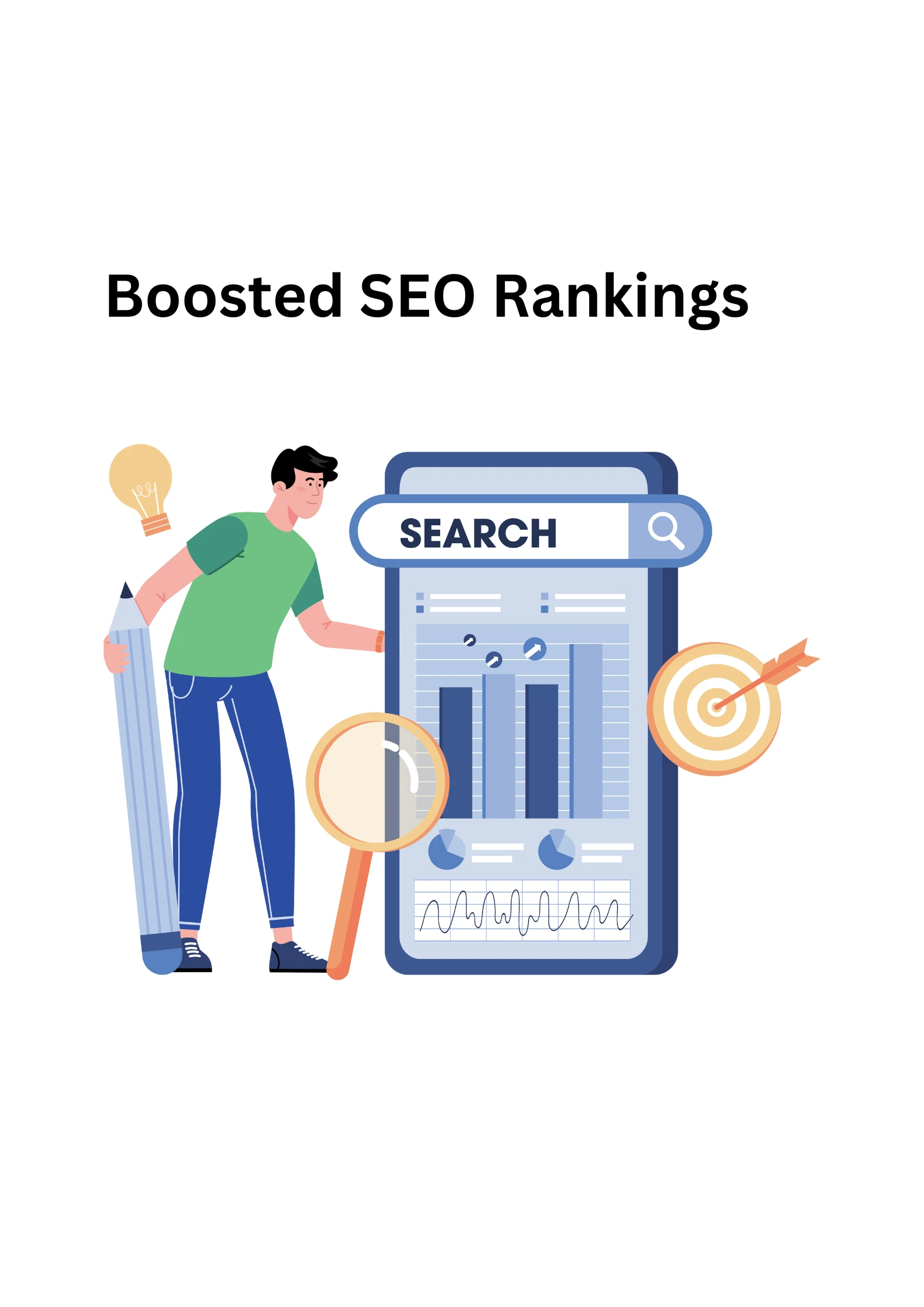
3. Boosted SEO Rankings
Search engines like Google prioritize mobile-friendly and responsive websites in their rankings. Higher visibility in search results means more traffic to your website, which directly impacts your conversion rates. Google’s mobile-first indexing underscores the importance of responsive design for both user experience and SEO.
4. Faster Page Load Times
Responsive websites are often optimized for faster loading on all devices. A slow-loading website can frustrate users and lead to high abandonment rates. According to studies, a one-second delay in page load time can reduce conversions by up to 7%. Responsive design ensures that your site loads quickly, keeping users engaged and moving toward conversion.
5. Consistency Across Devices
Responsive design creates a cohesive brand experience across all devices. Whether users visit your site on a desktop, tablet, or smartphone, they encounter the same design elements and functionality. This consistency builds trust and confidence in your brand, making users more likely to convert.
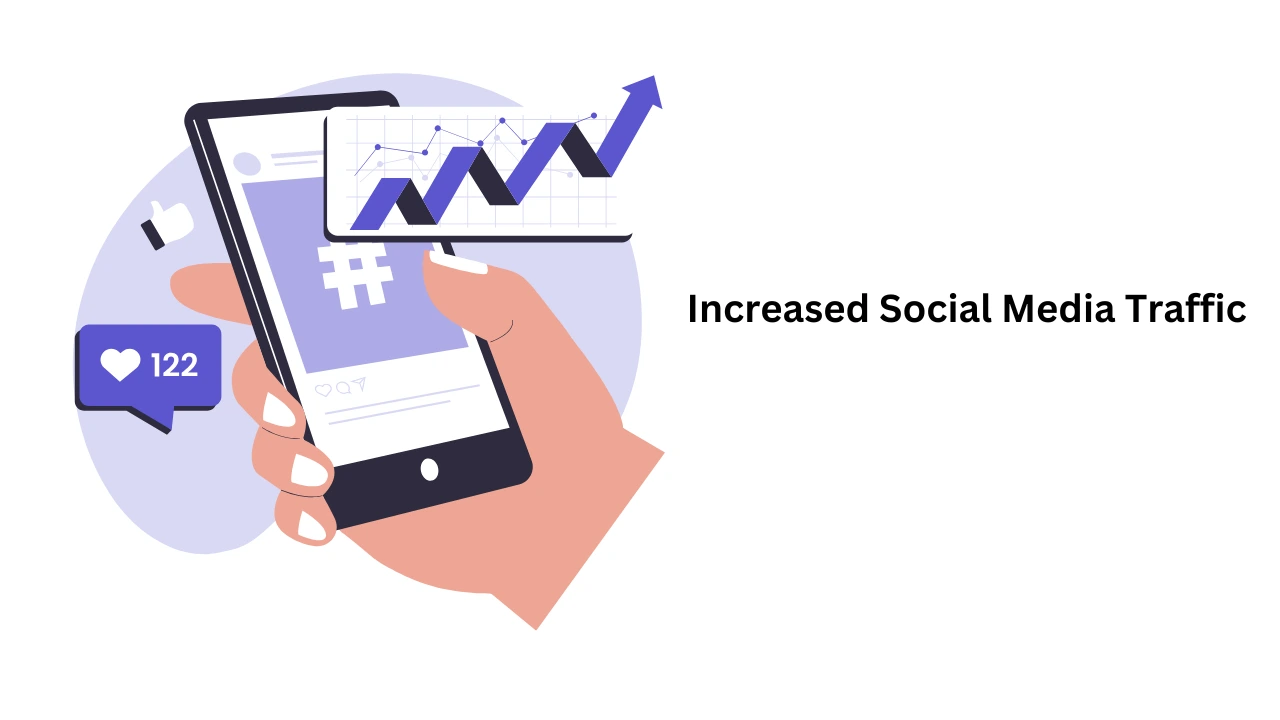
6. Increased Social Media Traffic
Many users access websites through links shared on social media, often using mobile devices. If your site isn’t responsive, this traffic can bounce quickly. A responsive website ensures that social media users can easily interact with your content, share it further, and take the next step, such as making a purchase or subscribing.
7. Reduced Bounce Rates
High bounce rates are a conversion killer. When users encounter a non-responsive website, they are more likely to leave without exploring further. A responsive design reduces bounce rates by ensuring users can quickly find what they’re looking for, regardless of their device.
8. Higher Conversion Funnel Efficiency
From landing pages to checkout processes, a responsive design ensures that every step of the conversion funnel is optimized for all devices. Users are less likely to abandon the process due to poor design or functionality issues, leading to higher conversion rates.
Conclusion
Responsive web design is more than just a trend; it’s a critical factor in driving conversions and achieving business success in modern web development. By enhancing user experience, improving mobile performance, and ensuring consistency across devices, a responsive website creates an environment where users are more likely to take action. If you haven’t yet invested in responsive web design, now is the time.
