

Social media has become more than just a way to share updates with friends and family. It’s now one of the most powerful tools for businesses to build brand awareness, connect with customers, and drive sales. Whether you’re a small local business or a global enterprise, social media marketing (SMM) has the potential to transform the way you engage with your audience and grow your business.
What is Social Media Marketing?
Social media marketing refers to the use of social platforms like Facebook, Instagram, Twitter, LinkedIn, Pinterest, and others to promote a product or service. The primary goal of social media marketing is to engage with users, build relationships, and drive meaningful actions, whether it’s website visits, purchases, or brand loyalty. Social media is where your customers spend their time. Platforms like Facebook, Instagram, LinkedIn, and Twitter offer businesses the opportunity to:
Why Social Media Marketing Matters
Social media has evolved into a primary touchpoint for consumers, and it plays a crucial role in their decision-making process. Here’s why SMM is so important for businesses:
Key Components of Social Media Marketing
A successful social media marketing strategy includes several key components:
1. Content Creation
The core of social media marketing is content. Whether it’s a blog post, infographic, video, or a simple status update, your content needs to be engaging, relevant, and tailored to your audience. Visual content, such as images and videos, tends to perform best and helps convey your brand’s message effectively.
2. Audience Engagement
Social media isn’t just about posting content; it’s about interaction. Engaging with your audience by responding to comments, liking posts, and addressing questions helps build a loyal customer base. Social platforms also offer valuable insights into customer preferences, allowing you to adapt and personalize your content.
3. Social Media Advertising
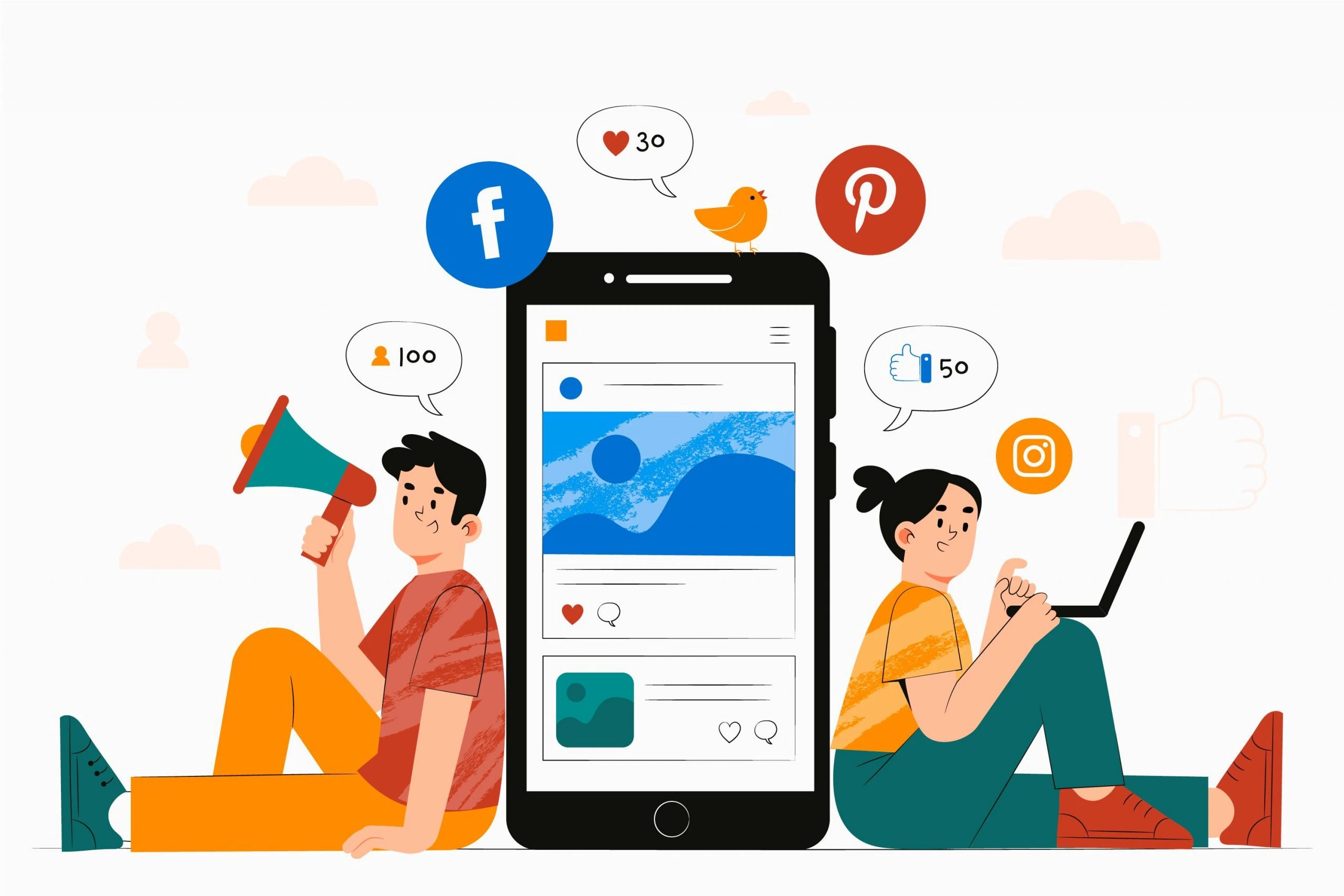
While organic reach is valuable, paid social media advertising is essential for expanding your reach. Social platforms like Facebook, Instagram, and LinkedIn offer sophisticated ad targeting options that allow you to reach the right people at the right time. Effective ad campaigns can drive traffic, increase conversions, and grow your audience.
4. Analytics and Performance Tracking
Tracking performance is crucial to understanding what works and what doesn’t in your social media strategy. Most platforms provide analytics tools that show data on reach, engagement, clicks, and conversions. Regularly analyzing this data will help you fine-tune your strategy to maximize results.
5. Platform-Specific Strategies
Each social media platform has its own culture and audience, so your approach should be tailored to each platform. For example:
How to Create a Winning Social Media Strategy
A well-thought-out social media strategy is the foundation of successful SMM. Here’s how you can create one:
Conclusion
Ultimately, successful social media marketing is about more than just promotions; it’s about building a community, telling your brand’s story, and delivering value that keeps your audience coming back. Embrace the potential of social media, and watch your brand thrive in the ever-evolving digital world.
