
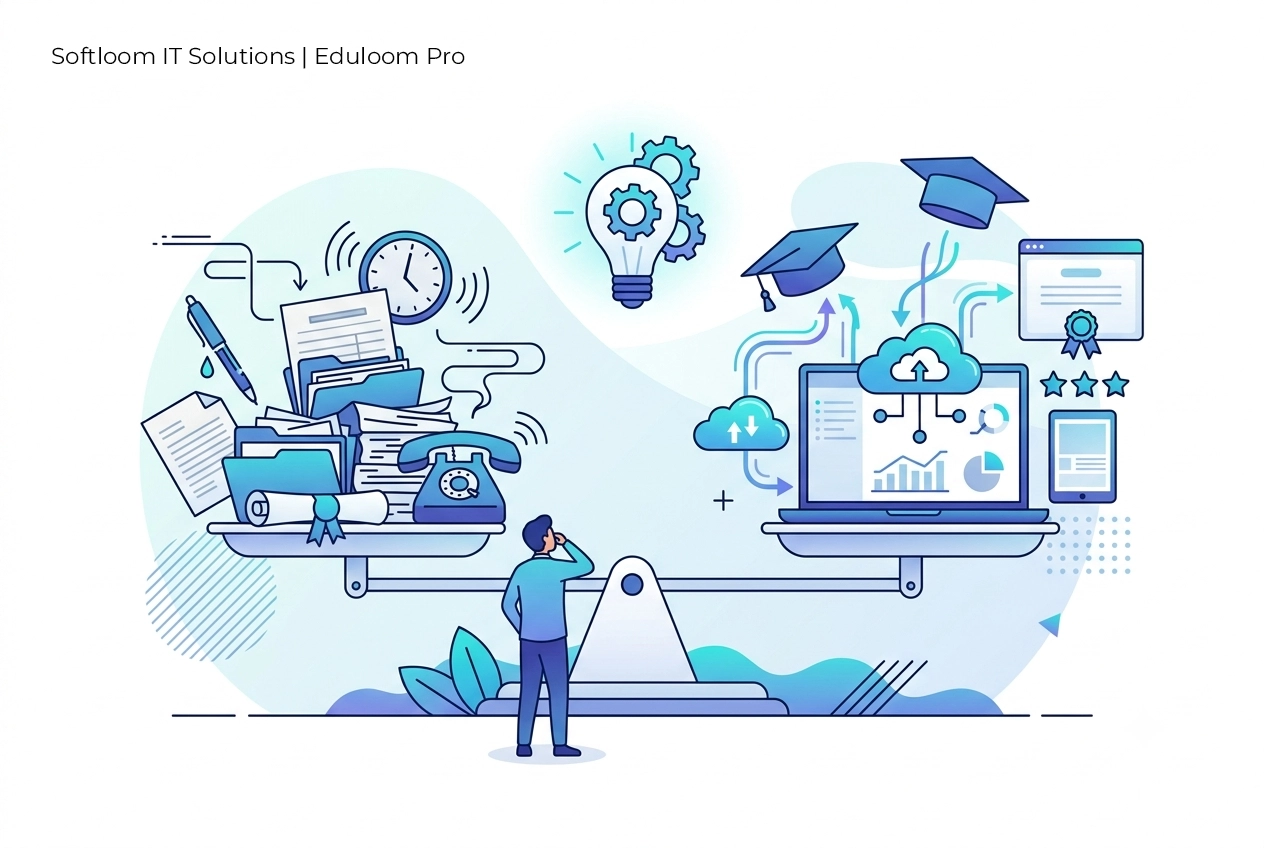
Managing student admissions is one of the most critical responsibilities of any educational institution. Whether it’s a school, college, or university, the admission process sets the tone for how students perceive their learning journey right from the start. Traditionally, this process has been handled manually, with paperwork, long queues, and hours of administrative work. But in today’s digital era, many institutions are switching to ERP-based admission systems to make things smoother and more efficient.
So, how do these two systems compare? And which one is the better choice for your institution?
Understanding Traditional Admission Systems
Traditional admission systems are exactly what they sound like: manual or semi-digital processes where students often have to visit the campus to collect or submit application forms. Institutions keep records using spreadsheets or physical files, and much of the communication happens via email, phone calls, or in-person visits.
This method, though familiar and straightforward, tends to be time-consuming and prone to human errors. For example, missing documents, incorrect entries, or delayed communication can lead to confusion and frustration for both students and staff.
What Is an ERP Admission System?
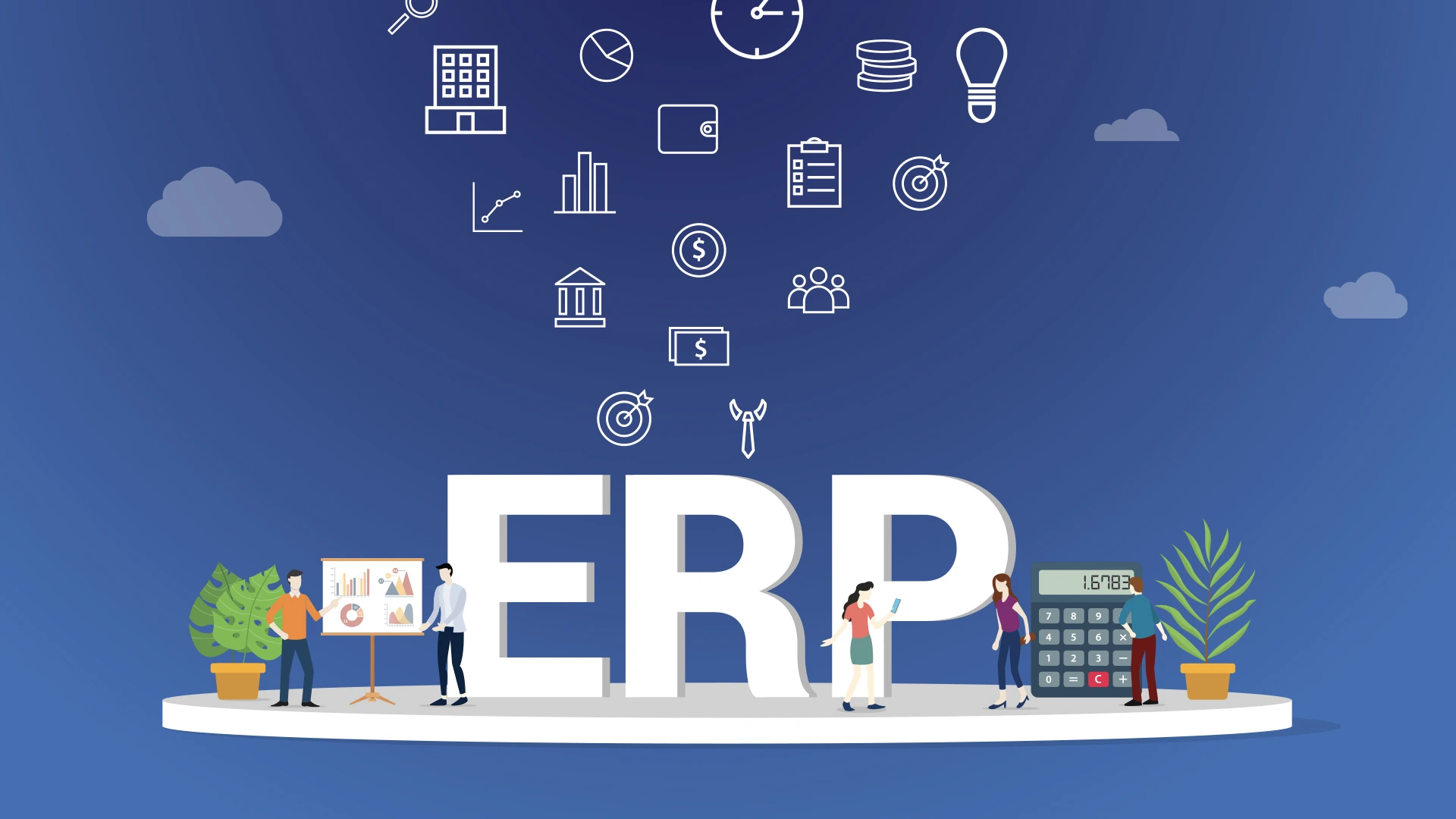
An ERP (Enterprise Resource Planning) system, when applied to education, is a software platform that brings various departments and administrative functions into one digital space. When it comes to admissions, ERP allows students to apply online, upload documents, pay fees digitally, and receive updates in real-time no need for physical forms or long queues.
For administrators, an ERP system simplifies tracking, communication, reporting, and managing student records. It eliminates many of the repetitive tasks that consume time and energy in a traditional setup.
Why ERP Is Becoming the Preferred Choice
There are several reasons why more educational institutions are moving toward ERP solutions:
1. Saves Time for Everyone
One of the biggest advantages of ERP is the speed it brings to the admission process. What used to take days, such as verifying documents or generating merit lists, can now be done in minutes.
2. Reduces Errors and Improves Accuracy
Manual data entry often leads to mistakes. With ERP, data validation happens automatically, and the risk of human error is significantly reduced.
3. Improves Communication
ERP systems come with built-in communication tools that send automatic notifications and updates to applicants. This keeps students informed about application status, deadlines, and fee payments, without the need for phone calls or manual follow-ups.
4. Enhances Transparency and Reporting
With real-time dashboards and reports, staff can easily monitor application trends, course popularity, and admission progress. This not only helps in making informed decisions but also builds trust with applicants and their families.
5. Supports Online Payments
Gone are the days when students had to stand in line to pay their admission fees. ERP systems integrate with secure payment gateways, making transactions fast and hassle-free.
But Are Traditional Systems Completely Outdated?
Not necessarily. Some institutions, especially in rural or less tech-savvy areas, may find that traditional methods still work well for their audience. Older generations or first-time college applicants may feel more comfortable with face-to-face interactions. Also, smaller institutions with fewer applicants might not require the full functionality of an ERP system.
In such cases, traditional systems can offer a more personalized touch and build trust through human connection.
Can You Combine the Best of Both Worlds?
Absolutely. Many institutions are adopting a hybrid approach, where ERP handles most of the heavy lifting in terms of processing and data management, while human support remains available for applicants who need extra guidance. This ensures that tech-savvy students benefit from speed and automation, while others still receive the personalized attention they’re used to.
So, What Should You Choose?
If your institution is experiencing growth, dealing with large volumes of applicants, or struggling with administrative overload, switching to an ERP-based system is a smart move. It helps you modernize operations, reduce errors, and offer a smoother experience to your students.
On the other hand, if you’re a smaller institution or operate in an area with limited internet access, you might benefit from sticking with a traditional approach, at least for now.
The key is understanding your audience, your resources, and your goals. Whether it’s a fully automated ERP, a traditional setup, or a mix of both, your admission system should be efficient, inclusive, and future-ready.
Technology is transforming the education sector in every way, including admissions. ERP systems offer unmatched convenience, transparency, and efficiency, making them the top choice for forward-thinking institutions. But the value of human connection, particularly in traditional systems, should not be underestimated.
Whatever you choose, ensure your admission process supports your institution’s vision while offering a stress-free experience for your applicants.
