
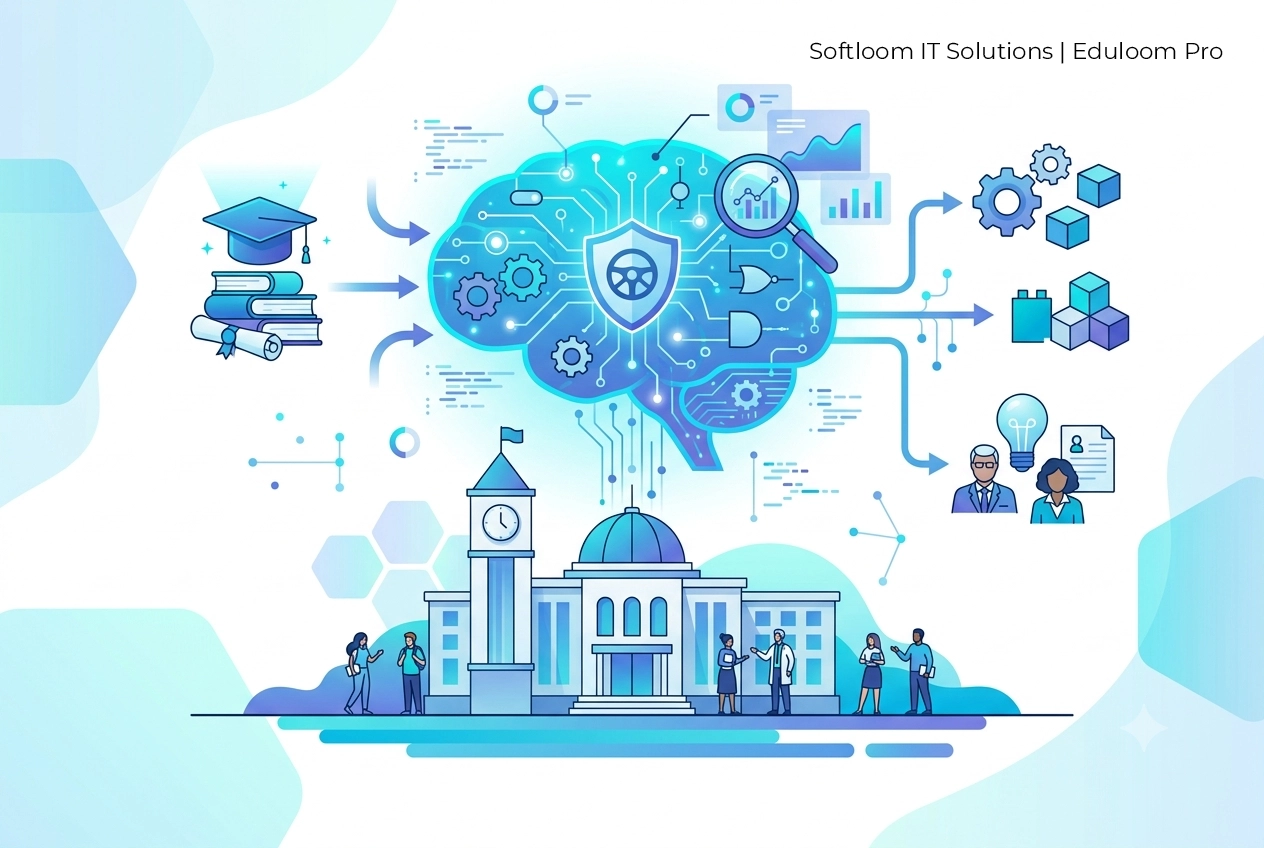
Autonomous colleges in India and across the globe are finding themselves at the intersection of tradition and transformation. These institutions, while granted the academic freedom to frame their curriculum, conduct examinations, and shape student learning experiences, often grapple with legacy systems that hinder effective decision-making. The answer? Embracing digital transformation not just in teaching and learning, but in core decision-making processes that drive institutional success.
Why Digitization Matters for Autonomous Colleges
Autonomous colleges operate with greater responsibility and flexibility than their affiliated counterparts. However, with increased autonomy comes the burden of managing complex administrative functions independently, including exam cell management, student data handling, curriculum updates, and accreditation reporting.
Traditional, manual processes are no longer sufficient. They are time-consuming, prone to human error, and lack the agility needed for data-driven decisions. Digital tools, especially College Management Systems (CMS) and Enterprise Resource Planning (ERP) platforms, provide a smarter way forward. These systems empower institutions to collect, analyze, and act on data effectively, turning routine administration into strategic governance.
The Key Areas Where Digitization Enhances Decision-Making
1. Curriculum and Academic Planning
Autonomous colleges have the unique ability to design and modify their curriculum. However, ensuring that these updates are relevant, efficient, and aligned with industry needs requires solid data. With digital tools, institutions can analyze student performance trends, faculty feedback, and employment statistics to inform future course planning. Dashboards can help academic committees visualize which subjects are working and which ones need revamping.
2. Student Performance Analytics

Instead of sifting through piles of mark sheets and spreadsheets, administrators can now access real-time data on student attendance, performance, and progression. Predictive analytics can even help identify at-risk students early, enabling timely interventions. Such insights help academic heads and faculty make informed decisions that improve student outcomes.
3. Resource Allocation
Whether it’s budgeting for labs, faculty development, or library upgrades, data-driven decision-making is key to optimal resource utilization. A centralized ERP can offer real-time financial reports, usage analytics, and inventory tracking to ensure nothing is underutilized or overspent. This kind of transparency is vital for autonomous colleges that manage their funding and grants.
4. Faculty Evaluation and Planning
Faculty recruitment, training, and evaluation can become more structured with digitized records and analytics. Performance metrics, such as student feedback, research contributions, and class engagement, can be consolidated into one system. This helps deans and department heads make fair, data-backed decisions regarding promotions, training needs, or workload distribution.
5. Exam and Results Processing
Exam management is one of the most crucial and complex tasks for autonomous colleges. With digital exam cell modules, institutions can automate everything from exam scheduling and hall ticket generation to results processing and grade sheet publishing. This not only speeds up the process but also minimizes human errors and malpractices, enhancing credibility and trust.
Benefits Beyond the Campus
Digitization doesn’t just make internal administration easier; it also improves external perception. Accreditation bodies, stakeholders, and parents increasingly look for transparency, accountability, and real-time reporting from educational institutions. A digitized decision-making system allows colleges to generate instant reports for NAAC, NBA, and UGC requirements, enhancing their institutional image and rankings.
Furthermore, when students and parents see their college using advanced technology to improve quality, satisfaction, and outcomes, it builds trust and boosts reputation.
Overcoming the Challenges
While the benefits are clear, many institutions hesitate to digitize because of concerns over cost, training, or data security. However, modern ERP solutions designed specifically for autonomous colleges address these issues effectively:
Digitizing decision-making in autonomous colleges is not just a trend; it’s a necessity. As education becomes more competitive and student expectations rise, institutions that rely on data, analytics, and automation will have the upper hand. The shift from reactive to proactive decision-making can dramatically improve academic quality, operational efficiency, and overall student satisfaction.
By embracing digital transformation today, autonomous colleges can ensure a smarter, more sustainable future for both their staff and students.
