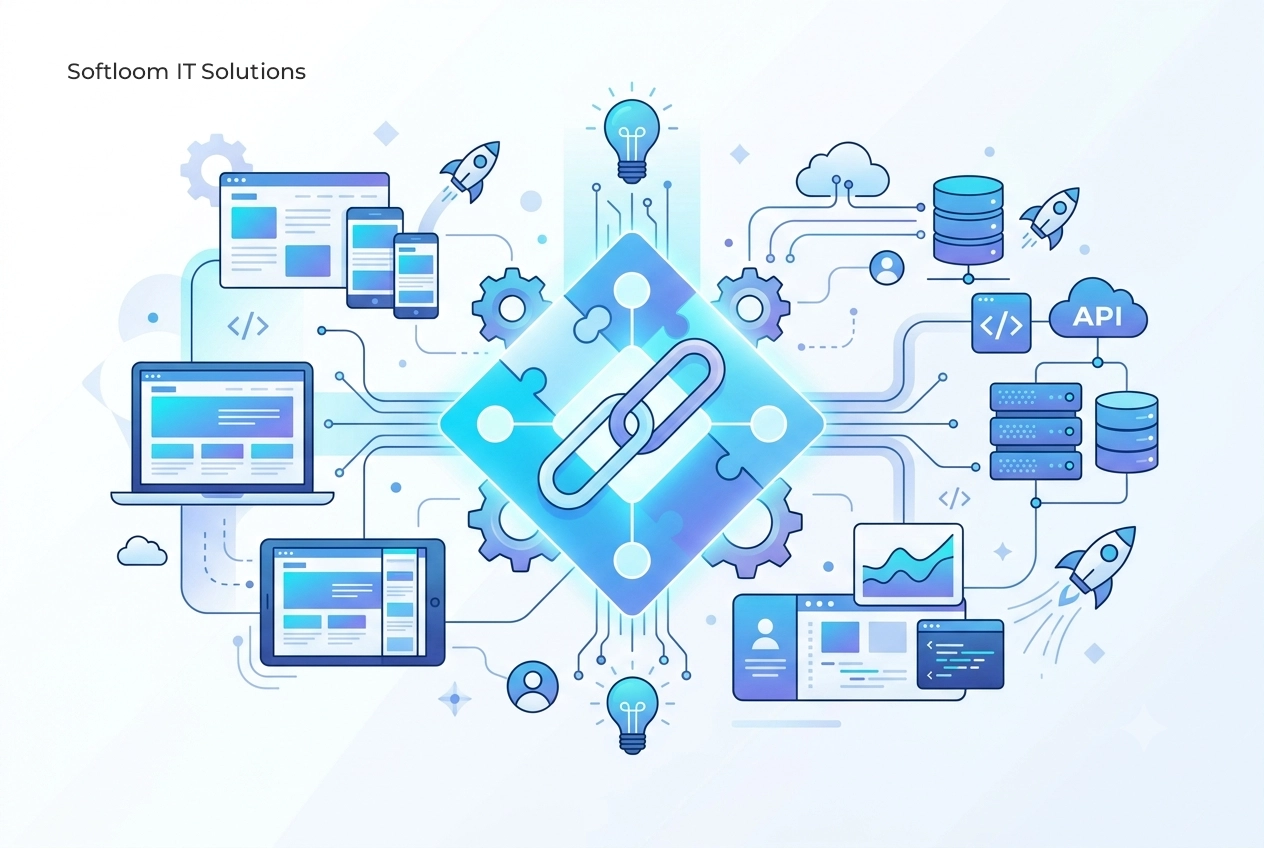
A modern website needs to be fast, secure, scalable, and user-friendly. The choice of the right technology stack plays a crucial role in achieving these goals. Simply put, a technology stack is the combination of programming languages, frameworks, libraries, and tools used to develop and run a website.
Selecting the best technology combinations for building modern websites can significantly impact how well your site performs, how easily it scales, and how smoothly it serves users across different devices. Let’s explore the most effective tech stacks and why they matter in the ever-evolving world of web development.
What is a Technology Stack?
A technology stack is like the foundation of a building. It includes:
Front-End (Client-Side): What users see and interact with design, visuals, and layout.
Back-End (Server-Side): The engine that powers the website database management, server logic, APIs.
Database & Hosting: Where your data is stored and how your website is served online.
The right combination ensures seamless communication between these layers, resulting in a reliable, modern, and high-performing website.
Popular Front-End Technology Combinations
The front-end is the face of your website. Here are some of the best modern stacks:
React offers flexibility and reusable UI components.
Next.js improves performance with server-side rendering and static site generation.
Best for: Scalable web apps, startups, and businesses aiming for SEO-friendly solutions.
2. Angular + TypeScript
Angular provides a complete framework for building dynamic web apps.
TypeScript adds strong typing, making development smoother and reducing errors.
Best for: Enterprise-level applications with complex features.
3. Vue.js + Nuxt.js
Vue is lightweight and easy to learn, perfect for rapid development.
Nuxt.js enhances Vue with SSR (server-side rendering).
Best for: Small to medium-sized businesses looking for performance without heavy complexity.
Popular Back-End Technology Combinations
The back-end ensures your website runs efficiently, processes data, and manages user interactions.
Fast, scalable, and powered by JavaScript.
Ideal for handling real-time applications like chat apps or live streaming.
Best for: Modern startups, SaaS platforms, and data-heavy apps.
2. Python + Django/Flask
Python is versatile, clean, and developer-friendly.
Django offers a full-featured framework, while Flask is lightweight and flexible.
Best for: AI-powered websites, e-learning portals, and research-based projects.
3. PHP + Laravel
Still one of the most popular choices for web development.
Laravel simplifies development with built-in tools for security, routing, and authentication.
Best for: E-commerce sites, CMS platforms, and business websites.
Database and Storage Options
The database is where your data lives. Choosing the right one is crucial:
MySQL/PostgreSQL: Best for structured data and traditional web apps.
MongoDB: A NoSQL option ideal for applications requiring flexibility with unstructured data.
Firebase: Provides real-time database and hosting, perfect for mobile-friendly apps.
Full-Stack Technology Combinations
For modern websites, businesses often go for full-stack solutions, combining front-end and back-end seamlessly:
2. MEAN Stack
3. LAMP Stack
4. JAMstack
JavaScript + APIs + Markup
Focuses on speed, security, and scalability, making it excellent for static and serverless websites.
How to Choose the Right Combination
The “best” tech stack isn’t one-size-fits-all. It depends on:
Project Goals: Do you need a blog, an e-commerce site, or a large enterprise app?
Scalability Needs: Will the website handle millions of visitors in the future?
Budget & Resources: Some stacks require larger developer teams and expertise.
Time to Market: Startups may prefer faster development stacks like MERN.
The best technology combinations for building modern websites depend on your business goals, target audience, and scalability requirements. While React, Node.js, and MongoDB are excellent for startups and fast-moving companies, PHP with Laravel or Python with Django might be the right fit for enterprises or academic platforms.